


How to Prevent Fall Injuries for the Elderly at Home
As we age, our bodies undergo various changes that can make us more susceptible to falls. For elderly individuals, falls can lead to serious injuries such as fractures or head trauma, significantly impacting their quality of life. However, there are numerous precautions that can be taken to create a safer environment at home and prevent these unfortunate incidents. In this article, we will explore effective safety measures, essential home modifications, and practical awareness tips for ensuring a secure living space for seniors.
Understanding the Risks of Falls
Falls are one of the leading causes of injury among older adults. According to the National Council on Aging, one in four Americans aged 65 and older falls each year. The consequences of a fall can be severe; about 20% to 30% of those who fall suffer moderate to severe injuries that can decrease mobility and independence. Understanding the risk factors is the first step towards prevention.
Some common risk factors include:
Weak muscles and balance issues: Aging can weaken muscles and affect balance.
Chronic health conditions: Conditions such as arthritis, diabetes, and vision problems can contribute to falls.
Certain medications: Some medications can cause dizziness or drowsiness, increasing the risk of falling.
By addressing these factors, we can help create a safer home environment.
Key Safety Measures to Implement
Implementing specific safety measures at home can dramatically reduce the risk of falls. Here are some actionable tips:
Regular Exercise: Encourage elderly individuals to engage in activities that improve strength, balance, and flexibility. Programs like tai chi and water aerobics are particularly effective.
Vision Checks: Regular eye exams are essential. Ensure that seniors wear the correct prescription glasses to avoid vision-related falls.
Proper Footwear: Encourage wearing shoes that fit well and have non-slip soles. Slippers and flip-flops should be avoided as they provide insufficient support.
Lighting: Adequate lighting is crucial. Ensure that all rooms, hallways, and staircases are well-lit. Use night lights in bedrooms and bathrooms.
Clutter-Free Environment: Keep floors free of clutter, such as newspapers, shoes, and other items that could cause tripping.

Home Modifications for Safety
Making modifications to the home is one of the most effective ways to prevent falls among the elderly. Here are some vital modifications to consider:
1. Handrails and Grab Bars
Install handrails on both sides of staircases and grab bars in bathrooms. This added support can be invaluable for seniors who may struggle with balance.
2. Non-Slip Floors
Replace slippery flooring materials with non-slip alternatives. Area rugs should be well secured, or removed entirely, to prevent tripping hazards.
3. Bathroom Safety
Consider using a shower chair, non-slip mats, and a hand-held shower head to make bath time safer and more comfortable. Installing a raised toilet seat can also help reduce strain when sitting and standing.

4. Kitchen Updates
Keep frequently used items within reach to avoid using step stools. Use non-slip mats in front of the kitchen sink and stove to ensure safe footing.
5. Bedroom Planning
Make sure the bedroom is easily accessible. Place a lamp close to the bed for late-night use and consider removing any furniture that obstructs walking pathways.
Awareness Tips for Senior Citizens
In addition to home modifications, awareness plays a crucial role in preventing falls. Here are some simple tips for seniors:
Stay Hydrated: Dehydration can lead to dizziness. Encourage seniors to drink enough water throughout the day.
Mindful Movement: Teach seniors to stand up slowly to avoid dizziness and to take their time while navigating around their home.
Use Mobility Aids: If recommended, use canes or walkers to assist with balance and stability. Ensure they are properly fitted and in good condition.
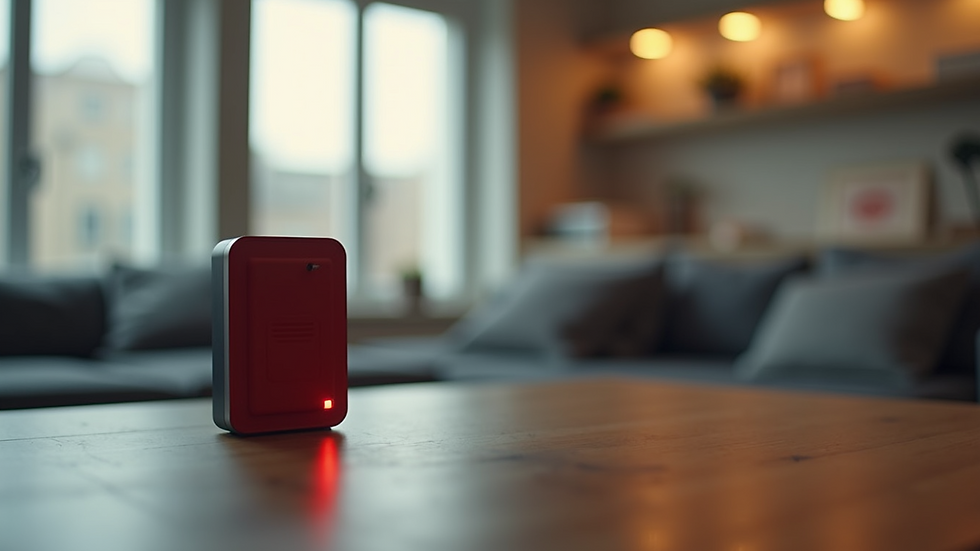
Emergency Plans: Encourage seniors to have a plan in case of a fall. This might include having a phone within reach at all times or wearing a medical alert device.
The Importance of Family Involvement
Family members can play a vital role in creating a safe environment for elderly individuals. Regularly check in on loved ones and help them identify areas in their home that may require modifications or adjustments. If you notice any signs of mobility issues or increased difficulty in completing daily tasks, discuss these changes with their healthcare provider for further evaluation.
Encouragement and support can also help seniors feel more confident and less isolated. Engaging in physical activity together or participating in community programs that promote fitness and social interaction can make a significant difference.
Lasting Safety for Our Seniors
Ultimately, preventing falls in the elderly at home requires a proactive approach. By being aware of the risks, implementing specific safety measures, making critical home modifications, and fostering family involvement, we can significantly reduce the chances of fall injuries. Remember, falls are not inevitable; with the right tools and awareness, we can create a secure environment that allows our elderly loved ones to maintain their independence and enjoy their golden years.
In the end, helping seniors remain safe at home is not just about protecting them from falls; it's about preserving their quality of life and ensuring they can thrive in a comfortable environment. Let’s work together to commit to the safety of our elderly.


Comments